

How to Choose the Right Preschool in Mumbai: A Complete Parent’s Guide

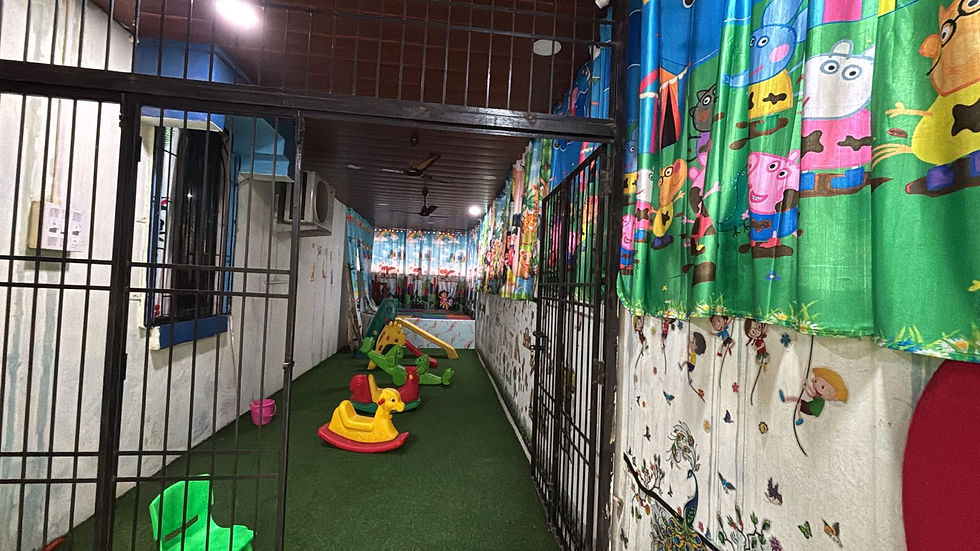
Choosing a preschool in Mumbai is one of the most important decisions parents face. The early years lay the foundation for a child’s learning, social skills, and overall development. With so many options available, it can feel overwhelming to pick the right place. This guide will help you focus on the key factors that matter most, so you can find a preschool that supports your child’s growth in a safe, nurturing, and stimulating environment.
Child-Centered Learning Approach
A preschool should put the child at the heart of its teaching philosophy. This means the curriculum and activities are designed around the interests, needs, and pace of each child rather than a one-size-fits-all model.
Look for preschools that:
Encourage exploration and hands-on learning
Support creativity and problem-solving
Foster social and emotional skills alongside academics
Adapt to different learning styles and personalities
For example, a child-centered preschool might have activity corners for art, science, and pretend play, allowing children to choose what excites them most. This approach builds confidence and a love for learning that lasts.
Teacher Qualifications and Stability
Teachers shape a child’s early experiences. Qualified, experienced, and passionate teachers create a positive atmosphere where children feel safe and
motivated.
When visiting preschools, ask about:
The educational background of teachers (degrees, certifications)
Ongoing professional development opportunities
Teacher-to-child ratios to ensure individual attention
Staff turnover rates, which affect consistency and trust
Stable teaching staff means your child can build strong relationships, which is crucial for emotional security and learning.
Safety Measures and Campus Environment
Safety is non-negotiable. Mumbai’s urban environment means parents must be extra vigilant about security and hygiene.
Check for:
Secure entry and exit points with controlled access
Clean and well-maintained classrooms and play areas
Child-proofing measures like covered electrical outlets and safe furniture
Emergency preparedness, including first aid and evacuation plans
Outdoor spaces that are safe and encourage physical activity
Visiting the campus during school hours helps you observe how staff manage safety and cleanliness in real time.
Daily Routines That Promote Balanced Development
A well-structured daily routine balances active play, rest, learning, and social interaction. This rhythm helps children feel secure and supports their physical, cognitive, and emotional growth.
Good routines include:
Time for free play and guided activities
Snack and meal breaks with healthy options
Quiet time or naps for younger children
Outdoor play to develop motor skills and connect with nature
Group activities that build cooperation and communication
Ask the preschool to share a sample daily schedule. It should reflect a mix of learning and fun, not just sitting and listening.
Curriculum Evaluation and Its Impact on Learning
The curriculum shapes what and how children learn. It should be age-appropriate, flexible, and aligned with recognized early childhood education standards.
Consider:
Whether the curriculum integrates multiple areas: language, math, science, arts, and social skills
Use of play-based and experiential learning methods
Inclusion of cultural diversity and values relevant to Mumbai’s community
Assessment methods that track progress without pressure
Some preschools follow international frameworks like Montessori, Reggio Emilia, or the Indian Early Years Foundation Stage (EYFS). Understanding these can help you match the curriculum to your child’s needs.
Practical Tips for Parents
Choosing a preschool requires research and careful comparison. Here are some practical steps:
Visit multiple preschools: Observe classrooms, talk to teachers and administrators, and get a feel for the environment.
Prepare questions: Ask about teacher qualifications, safety policies, daily routines, curriculum details, and parent involvement.
Talk to other parents: Their experiences can provide valuable insights.
Check reviews and accreditations: Look for schools recognized by education authorities or early childhood organizations.
Consider logistics: Location, timings, fees, and transport options matter for daily convenience.


Comments